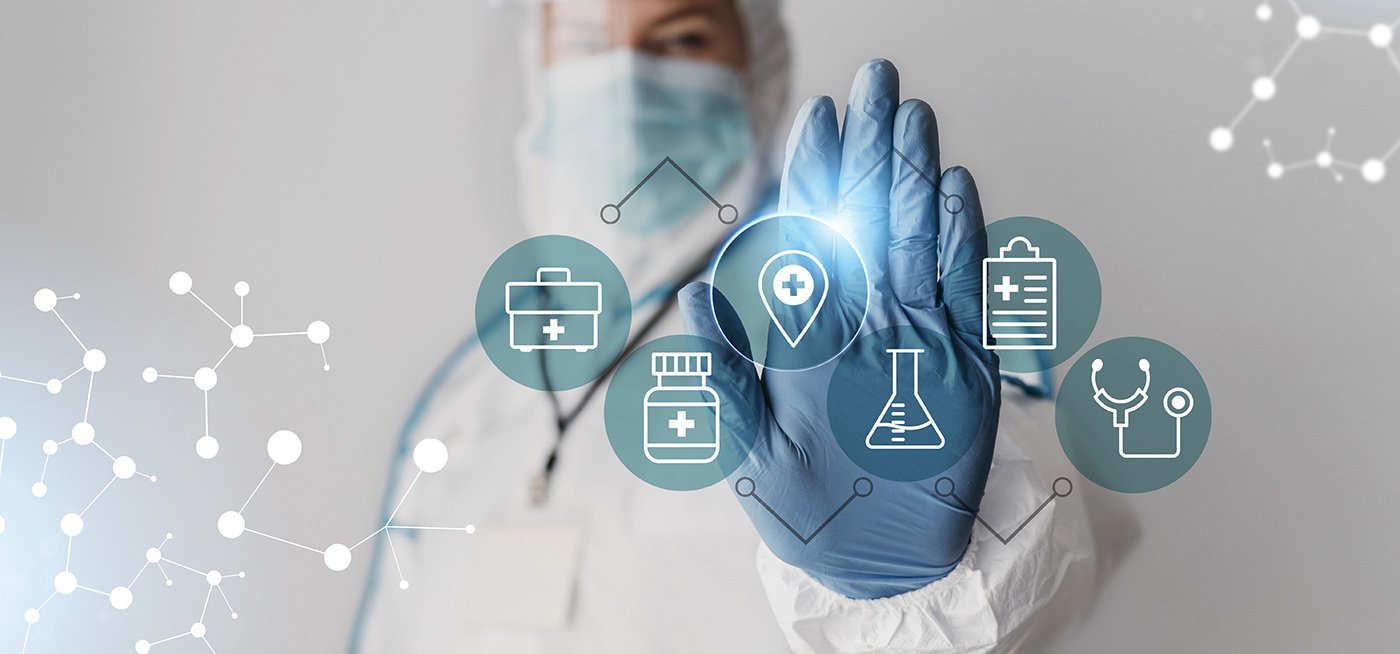
The pharmacovigilance landscape is undergoing a transformative shift fueled by rapid advances in artificial intelligence (AI), machine learning, and even quantum computing. These technologies enable faster, more accurate adverse event detection by automating signal detection and safety surveillance processes. Proactive, data-driven monitoring helps pharmaceutical companies identify potential risks early, improving patient safety outcomes globally.
Automation reduces manual case processing times while predictive analytics enable risk forecasting by analyzing diverse datasets, including electronic health records and social media signals. Moreover, decentralized clinical trials powered by digital tools improve data collection accuracy in real-world settings. As regulatory bodies increasingly endorse AI, pharmacovigilance teams must adapt to leverage these tools efficiently.
The future calls for seamless integration between human expertise and intelligent systems, creating robust, future-ready drug safety frameworks that minimize risks, optimize resource allocation, and accelerate compliance worldwide. Embracing these emerging trends ensures organizations remain competitive, agile, and responsive to patient needs in an increasingly complex healthcare environment.